Understanding material handler responsibilities in MSP managed warehouses
Material handler responsibilities sit at the heart of reliable warehouse work and stable MSP staffing. A material handler supports every job in the facility by moving materials, checking inventory and feeding production lines with the right products. When companies use an MSP staffing model, managers rely on consistent handler job descriptions so that material handlers can be hired quickly and integrated smoothly into the team.
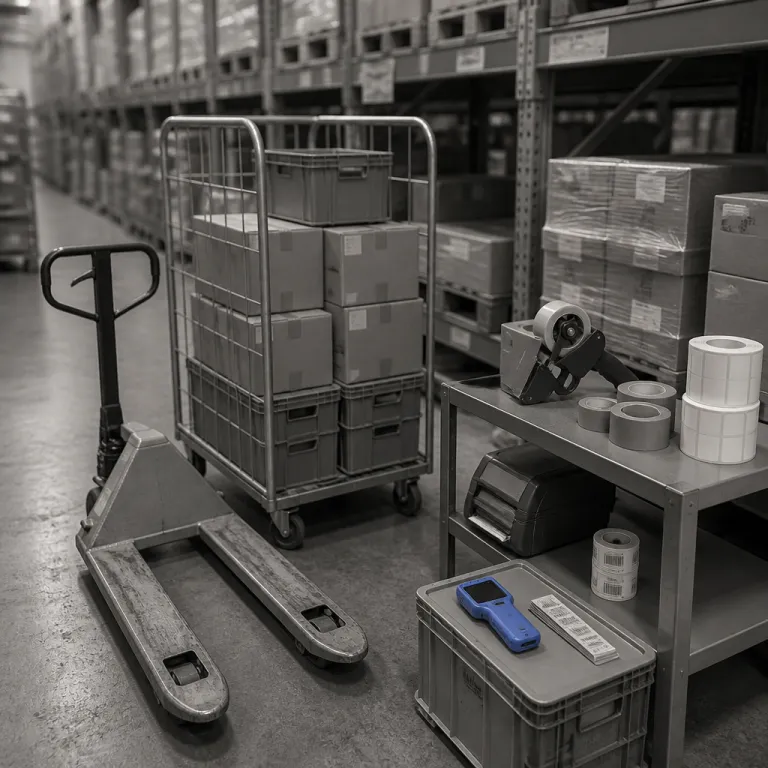
In a modern warehouse, each material handler has a clear job description that covers receiving, storage, picking and shipping of materials and supplies. These responsibilities usually include unloading trucks, using material handling equipment such as pallet jacks and forklifts, and updating inventory management systems to keep stock accurate. MSP staffing companies help the client company define the best mix of hard skills and soft skills so that handlers can work safely with equipment while maintaining strong communication skills with supervisors and colleagues.
Most material handler roles require at least a high school education and a verified school diploma before hire. While a high school diploma is enough for many entry level handler job opportunities, MSP programs often flag preferred qualifications such as previous warehouse experience or exposure to supply chain processes. This structured approach to material handling roles allows the MSP manager to post job openings that attract material handlers who understand production targets, equipment safety and the importance of accurate inventory.
Core duties responsibilities and how MSP staffing defines the role
At the operational level, material handler responsibilities focus on moving material safely, on time and with minimal errors. A typical handler role includes checking incoming products against purchase orders, labeling materials and supplies correctly and placing them in assigned warehouse locations. MSP staffing specialists translate these tasks into precise job descriptions so that every material handler knows exactly how their work supports the wider supply chain.
For outbound flows, material handlers pick materials and products for production or customer orders, often using pallet jacks or forklifts to move heavy loads. They update inventory management records, report discrepancies to the warehouse manager and coordinate with the production team when materials are missing or damaged. When hiring agencies in complex logistics markets design an MSP program, they often standardize each handler job description to ensure consistent training, which is why many companies partner with specialized hiring agencies for MSP staffing and talent strategies.
Safety and compliance are also central to material handling responsibilities in any company that values long term performance. Material handlers must inspect handling equipment before work, follow lockout procedures and respect maximum load limits for pallet jacks and forklift trucks. MSP staffing contracts usually specify preferred qualifications such as prior experience with handling equipment, strong communication skills for reporting hazards and soft skills that support a culture of safety across the entire équipe.
Skills, experience and preferred qualifications for material handlers in MSP programs
Employers using MSP staffing frameworks look for a balanced mix of technical skills and soft skills in every material handler. On the technical side, handlers need basic numeracy to count materials, familiarity with inventory management software and the ability to operate handling equipment such as pallet jacks or powered forklifts. On the behavioural side, communication skills, reliability and teamwork are essential because material handlers interact daily with production operators, drivers and the warehouse manager.
Experience in a warehouse or production environment is often listed as part of the preferred qualifications for handler job candidates. Material handlers with previous work in fast moving supply chain operations usually understand how their responsibilities affect on time delivery and customer satisfaction. MSP staffing providers in competitive regions, such as those analyzed in studies of how regional suppliers win tier one slots in national MSP programs like the North Carolina Research Triangle case, often prioritize experienced handlers who can adapt quickly to different company cultures.
For entry level roles, a high school diploma or equivalent school diploma remains the baseline requirement for most material handler positions. MSP managers then layer on specific preferred qualifications, such as prior material handling experience, knowledge of basic supply chain concepts or proven soft skills like problem solving and conflict resolution. This structured approach to defining the material handler job description allows the MSP to post job opportunities that attract both new workers and seasoned handlers who can mentor others in the team.
How MSP staffing optimizes material handling workflows and inventory management
Material handler responsibilities directly influence how efficiently a warehouse manages inventory and supports production schedules. When MSP staffing partners design clear job descriptions for material handlers, they align each handler job with specific inventory management tasks such as cycle counting, stock rotation and reconciliation of discrepancies. This clarity reduces errors in material handling and helps the company maintain accurate records of materials and supplies across all storage locations.
In many MSP managed programs, the warehouse manager works closely with the MSP company to map every material flow from receiving to shipping. Material handlers are then assigned to work cells or zones, where their responsibilities include scanning products, updating digital inventory and preparing materials for production lines. By defining these responsibilities in detail, the MSP can post job requirements that emphasize both technical skills with handling equipment and soft skills like communication and collaboration within the team.
Rate card benchmarking in a flat market often pushes MSP programs to improve productivity rather than simply cutting pay for material handlers. Strategic negotiations, such as those discussed in analyses of rate card benchmarking when suppliers push back, encourage companies to invest in training for equipment use, safety and inventory management. A common example is a warehouse that introduces structured cross training for handlers on both pallet jacks and basic inventory tasks; within a few months, the operation often sees more products handled per shift, fewer damaged loads and a smoother supply chain without compromising worker safety or morale.
Designing effective job descriptions and career paths for material handlers
Clear and realistic job descriptions are the foundation of successful MSP staffing for material handler roles. A strong material handler job description explains the core work tasks, the handling equipment used, the physical demands and the reporting lines to the warehouse manager or production supervisor. It also outlines the required education level, usually a high school diploma, and any preferred qualifications such as previous warehouse experience or familiarity with inventory management systems.
MSP staffing partners often create job descriptions that show a progression from entry level handler job roles to senior material handlers or lead positions. As handlers gain experience with complex material handling tasks, such as coordinating multiple products for just in time production, they can move into roles that include training new team members or assisting with supply chain planning. A typical case is a handler who starts on basic receiving tasks, then moves into inventory control after demonstrating accuracy and initiative, and eventually supports the warehouse manager with planning and continuous improvement projects.
To support retention, MSP programs encourage companies to recognize both technical performance and soft skills such as leadership, communication skills and problem solving. Material handlers who consistently manage materials and supplies accurately, operate pallet jacks and forklift trucks safely and collaborate well with the team are often considered for promotion. Over time, some material handlers transition into roles such as inventory management specialist, warehouse manager or even supply chain analyst, which reinforces the value of investing in detailed job descriptions and structured training.
Talent sourcing strategies for material handlers within MSP services
Talent sourcing for material handler responsibilities within MSP services requires a deep understanding of local labor markets and warehouse operations. MSP staffing providers analyze which channels bring the best candidates for handler roles, from online post job platforms to vocational schools where students complete a high school level school diploma with logistics modules. They then tailor each job description to highlight the work environment, equipment used and opportunities to learn new skills in material handling and inventory management.
When sourcing material handlers at scale, MSP companies segment candidates by experience, such as entry level workers with only a high school diploma and seasoned handlers with several years in production or warehouse roles. This segmentation allows the MSP manager to match candidates to specific responsibilities, such as basic picking and packing for new hires and more complex inventory management or handling equipment tasks for experienced handlers. By aligning material handler responsibilities with each person’s skills and soft skills, the MSP improves both safety and productivity across the company’s supply chain.
Effective talent sourcing also depends on clear communication skills from recruiters who explain the realities of the handler job, including physical demands, shift patterns and expectations around teamwork. MSP staffing providers that specialize in logistics often maintain talent pools of material handlers who are already trained on pallet jacks, forklifts and basic warehouse systems. When a client company needs to hire quickly, the MSP can immediately post job openings and fill them with qualified material handlers who understand how their work supports production targets and customer service levels.
Aligning material handler responsibilities with supply chain performance metrics
Material handler responsibilities have a direct impact on key supply chain performance metrics such as on time delivery, inventory accuracy and production uptime. When material handlers perform their work consistently, using handling equipment correctly and following standard operating procedures, the warehouse experiences fewer stockouts and less damage to materials and supplies. MSP staffing programs track these outcomes to show how well defined job descriptions and targeted training for material handlers contribute to overall company performance.
Managers often link material handling tasks to measurable KPIs, such as lines picked per hour, inventory discrepancies per cycle count or equipment damage incidents per month. Industry case studies frequently cite ranges of more than one hundred order lines picked per hour and inventory accuracy above the mid ninety percent range as realistic targets for experienced handlers in well organized operations, while also emphasizing that benchmarks vary by sector, product mix and automation level. Material handlers who understand these metrics can adjust their work habits, improving both speed and accuracy while maintaining safety standards with pallet jacks and forklift trucks. MSP managers then use these data points to refine preferred qualifications in future post job campaigns, emphasizing the skills and soft skills that correlate with strong results.
Over time, aligning material handler responsibilities with supply chain goals helps the company build a resilient team that can adapt to demand spikes, new products or changes in production schedules. Material handlers become active contributors to continuous improvement, suggesting better ways to organize materials, use handling equipment or communicate with the warehouse manager and production supervisors. This feedback loop between handlers, the MSP staffing provider and the client company strengthens trust, supports long term retention and ensures that material handling remains a strategic asset rather than a simple back room job.
Key statistics on material handler roles and MSP staffing
- According to the United States Bureau of Labor Statistics, hand laborers and material movers, which include many material handler roles, held about 4.5 million jobs in 2023, reflecting the central place of material handling in warehouse operations.
- Industry surveys from organizations such as the Council of Supply Chain Management Professionals report that inventory accuracy improvements of even a few percentage points can significantly reduce working capital needs, highlighting how accurate material handler responsibilities support financial performance.
- Research summarized by the Occupational Safety and Health Administration shows that proper training on handling equipment, including pallet jacks and forklifts, is associated with meaningful reductions in workplace injury rates in warehouses, which reinforces the value of clear responsibilities and preferred qualifications in job descriptions.
- Logistics benchmarking studies from major consulting firms indicate that companies with standardized material handling processes and well defined material handler job descriptions often achieve order fulfillment rates several percentage points higher than peers with ad hoc staffing practices.
FAQ about material handler responsibilities and MSP staffing
What are the main responsibilities of a material handler in a warehouse
A material handler is responsible for receiving, storing, moving and shipping materials and products within a warehouse or production facility. Typical responsibilities include unloading trucks, operating handling equipment such as pallet jacks or forklifts, updating inventory management records and preparing materials and supplies for production lines or customer orders. These tasks must be performed safely and accurately to support the wider supply chain.
What education and qualifications are required for a material handler job
Most material handler roles require at least a high school diploma or equivalent school diploma, along with basic numeracy and literacy skills. Employers and MSP staffing providers often list preferred qualifications such as previous warehouse experience, familiarity with inventory management systems or prior training on handling equipment. Some companies also value soft skills like communication skills, teamwork and problem solving when hiring material handlers.
How does MSP staffing improve hiring for material handler positions
MSP staffing centralizes and standardizes the hiring process for material handler roles across multiple sites or suppliers. The MSP manager works with the client company to create consistent job descriptions, define preferred qualifications and select the best sourcing channels for handler job candidates. This approach helps companies hire material handlers more quickly, improve training consistency and align material handling responsibilities with overall supply chain goals.
What equipment does a material handler typically use at work
Material handlers commonly use pallet jacks, forklifts, hand trucks and conveyor systems to move materials and products around the warehouse. They may also use barcode scanners, tablets or warehouse management systems to update inventory management records in real time. Proper training on this handling equipment is essential to prevent injuries and protect materials and supplies from damage.
Can a material handler progress to other roles in the supply chain
Yes, many material handlers use their experience in warehouse work as a foundation for broader careers in logistics and production. With additional training and strong performance, a material handler can move into roles such as lead handler, inventory specialist, warehouse manager or supply chain coordinator. Clear career paths and well structured job descriptions within MSP staffing programs make this progression more accessible for motivated handlers.
